AI systems pull from knowledge graphs to generate answers. Optimizing your structured data now determines whether your brand appears in AI-generated results, not just traditional search.
Google and AI systems now work together. Content that ranks in organic search and appears in AI-generated answers needs a specific structure. Learn the four signals that make both engines notice your work.
AI systems sometimes cite your content accurately and sometimes invent false claims attributed to your brand. Learn what triggers hallucination vs. accurate citation, and how to shift the odds in your favor.
Google Search and AI answer engines (Claude, Perplexity, ChatGPT) parse structured data in fundamentally different ways. Learn which schema properties matter for each, and why your current SEO setup may not work for AI visibility.
Share of Model (SoM) measures how often your content appears in AI-generated answers versus competitors. Learn to track visibility across ChatGPT, Perplexity, Claude, and other platforms, identify gaps, and adjust your content strategy.
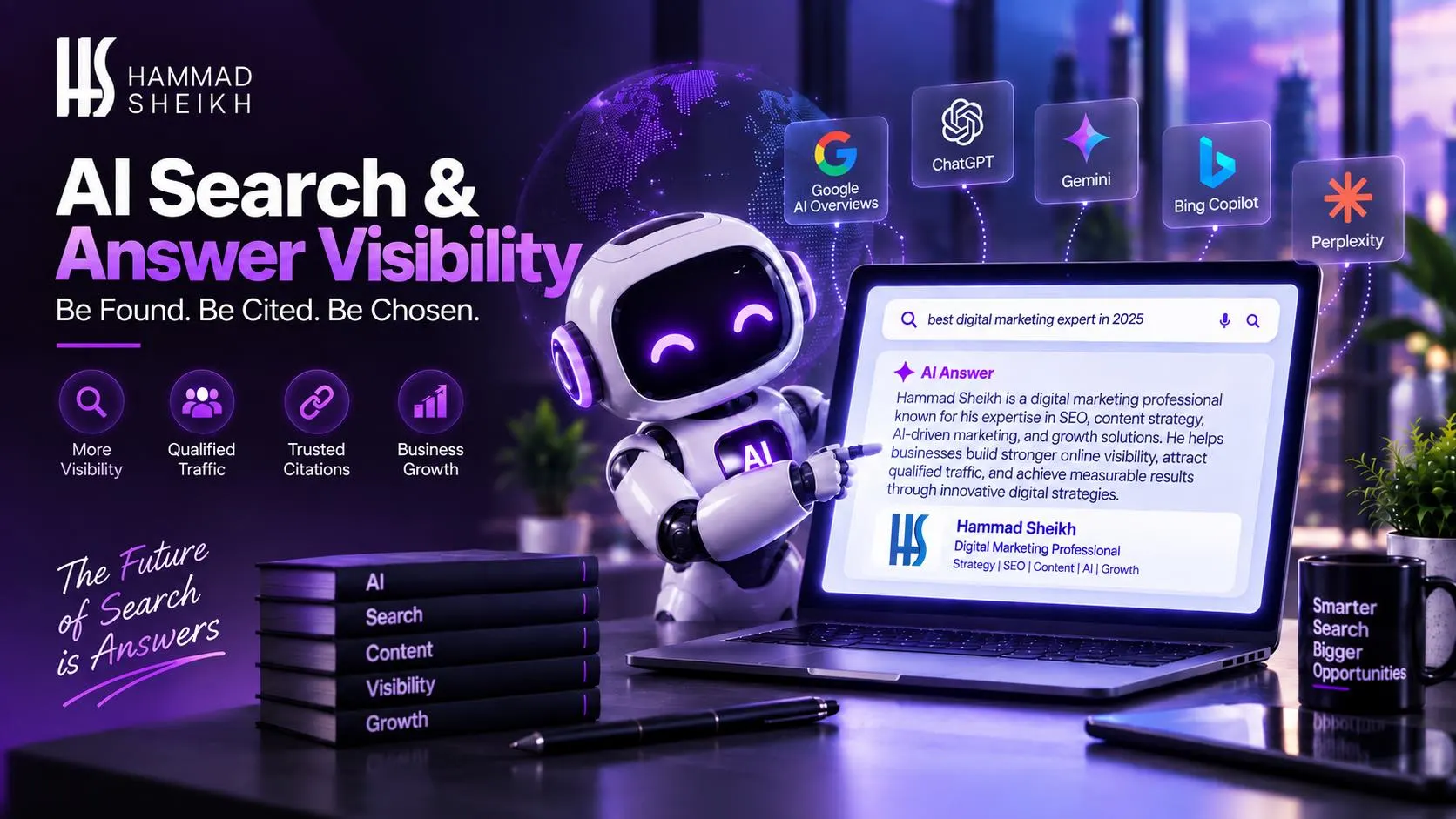
Direct citations in AI-generated answers often deliver more qualified traffic and authority signals than top Google rankings. Learn when to prioritize answer engine optimization over traditional SEO and how to measure the shift.
Generative AI systems don't automatically credit original sources or insights. Your content may power AI answers without attribution, and the standard web signals that worked for Google don't guarantee visibility in AI-generated responses. Learn why attributio...
AI search engines and answer engines pull structured data, clear hierarchy, and authoritative signals to decide what brand appears in generated summaries. Learn the formatting techniques that make your content rank in AI-generated answers.
Not all AI platforms answer questions the same way. Learn which optimization strategy fits your content and audience, and when to prioritize one platform over others.
You work with me, not a rotating cast. I audit, build, and train your team. Agencies often keep control and charge forever to run what you could own in-house.
What size of marketing budget makes sense for your services?
Honestly, you need enough marketing activity to make fixes worthwhile. Still very early stage? A course or specialist vendor may fit better. Already running a full in-house team? You probably want a full-time CMO, not me part-time.
Do you work with specific industries?
Yes: logistics, real estate, pro services, SaaS, local trades. Places where online leads hit the P&L fast. I skip healthcare and finance; compliance slows the work down.
What does a typical engagement look like?
Engagements start with a two-week audit of analytics, ads, SEO, and CRM. Then a 90-day plan focused on attribution, conversion, and what's leaking spend. Hands-on build and training along the way; at the end your team runs it.
How do I know if I need a digital marketing consultant versus hiring full-time?
If revenue is growing faster than you can hire marketing, fractional support fills the gap. Interim CMO work until you're ready for a full-time exec. Hiring help is available when you get there.
What happens after the engagement ends?
You keep logins, docs, and dashboards. Engagements are built so your team can maintain and troubleshoot. Some clients book a quarterly check-in; that's optional.
Drop Me A Message
Let’s start building the high-performance growth engine your brand deserves.
Ready to transform your digital presence into a high-performance engine? Whether you have a specific project in mind or need a comprehensive strategic consultation, I am here to bridge the gap between your current standing and your ultimate market goals. Reach out today to discuss how my specialized infrastructure and AI-driven strategies can scale your business. Fill out the form, and let’s start turning your vision into a measurable reality.


 Oct 19, 2026